

Kombucha isn’t the prettiest of brews. SCOBYs split, sink, grow lumpy layers and sprout brown strings, and “is this mould?” is the question we get asked most. So we’ve put together this photo guide to help you tell the difference.
The good news: much of the weird-looking stuff is normal.
Quick check: where is it?
Underneath the SCOBY or floating in the liquid? Brown strings and clumps here are usually yeast and a normal part of brewing kombucha. Mould typically grows on the surface, where the brew meets the air, but location alone cannot tell you that every bit of growth is yeast or that a batch is safe.
At the surface, wet, smooth or jelly-like growth may be a new SCOBY layer forming. Brown, stringy growth is commonly yeast.
Dry, fuzzy, raised patches are a warning sign of mould. They may be white, green, blue or black, rather like mould on bread. If you suspect mould, don’t taste the brew or try to rescue it.
If you’re unsure, compare the photos below or send us a clear photo through our Chat and Contact page.
What’s normal: weird but healthy


What about kahm yeast?
A pale, thin surface film, sometimes wrinkled, may be what brewers call kahm yeast. It can affect the flavour, but surface films can be difficult to identify confidently from their appearance alone.
Don’t assume that a white film is harmless or simply skim off unidentified growth and drink the brew. If you’re unsure whether it’s kahm, a new SCOBY layer or mould, stop and ask for help. If mould is suspected, discard the batch.
For your next brew, follow your culture’s instructions carefully, including the amount of starter tea and the recommended brewing conditions.
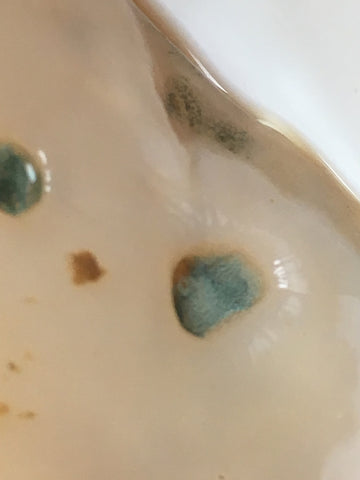
What mould looks like
For comparison, these photos show examples of mould on kombucha.
Look for distinct, dry-looking, fuzzy patches at the surface. They can be white, green, blue or black. Early growth may be harder to recognise, so these photos are a guide rather than a guarantee.


If it’s mould
Sadly, suspected mould means starting again. Don’t try to save the SCOBY or starter tea, even the parts that look clean.
- Throw away the brew and every SCOBY layer from that batch.
- Thoroughly clean your jar and utensils before using them again, and replace or thoroughly clean the cover.
- Start again with a fresh SCOBY and starter tea from an unaffected source.
Never drink kombucha from a mouldy batch. If in doubt, throw it out.
Still not sure?
Send us a clear photo through our Chat and Contact page and we’ll help you work out the next step. Please don’t taste a suspect batch while you’re waiting.